
How Can Smart Home Technology Help You Save Energy During Winter 2026?
Smart home energy saving during winter works by automating temperature control, monitoring usage patterns, and optimizing heating schedules through connected devices. The key takeaway: intelligent thermostats and smart home systems can reduce winter energy consumption by 10-23% through automated adjustments and real-time monitoring. Winter heating typically accounts for 40-50% of household energy usage, making it the largest expense for most homeowners. Smart technology addresses this by learning your daily patterns, adjusting temperatures when you’re away, and preventing energy waste during peak heating hours. Modern smart home systems in 2026 integrate weather forecasting, occupancy sensors, and machine learning algorithms to predict heating needs before they arise. By combining smart thermostats with insulation upgrades, window treatments, and strategic automation, homeowners can achieve significant savings without sacrificing comfort. The investment in smart home technology often pays for itself within 1-3 years through reduced utility bills, while also improving home comfort and environmental impact.
What Are the Most Effective Smart Thermostat Strategies for Winter Heating?
Smart thermostats are the foundation of winter energy savings, offering programmable temperature schedules, remote control, and learning capabilities that traditional thermostats cannot match. According to the U.S. Department of Energy, smart thermostats can save 10-23% on heating and cooling costs annually.
Programming Temperature Schedules
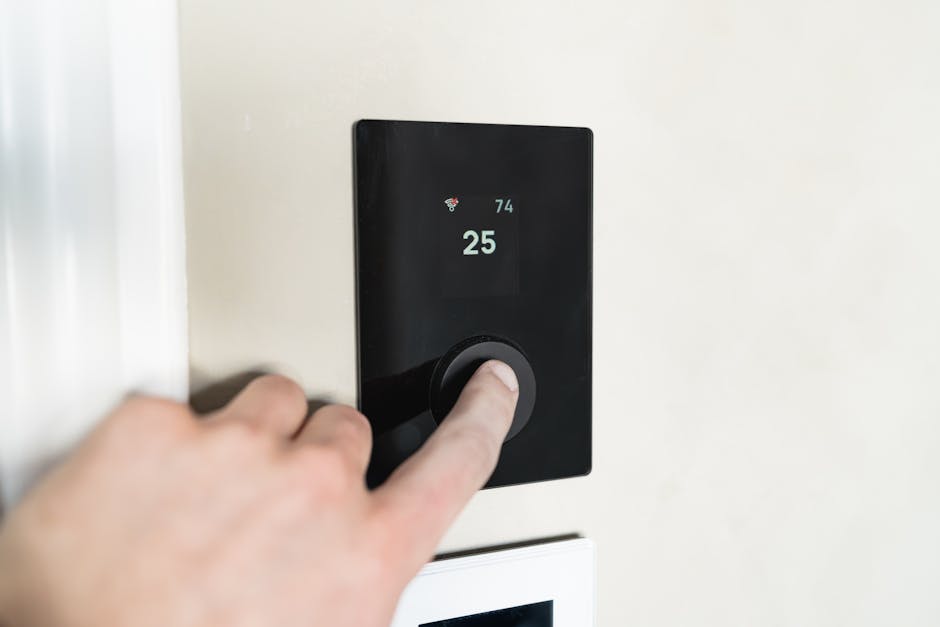
Effective temperature scheduling reduces heating costs by lowering temperatures during periods when your home is unoccupied or when you’re sleeping. Most experts recommend setting your thermostat to 68°F (20°C) during waking hours and 62-66°F (17-19°C) at night or when away. Each degree reduction for eight hours can save approximately 1-3% on heating costs. Smart thermostats allow you to create multiple schedules for weekdays and weekends, automatically adjusting without manual intervention. The system learns from your adjustments and can suggest optimal settings based on your preferences and local weather conditions.
Geofencing and Occupancy Detection
Geofencing uses your smartphone’s location to trigger automatic temperature adjustments. When the last person leaves home, the thermostat lowers the temperature to an energy-saving preset. As you approach home, it returns to your comfort setting. This eliminates the common mistake of heating an empty house. Occupancy sensors provide an additional layer by detecting movement within rooms, allowing zone-based heating in occupied areas only. This dual approach prevents unnecessary heating and ensures comfort when you need it.
Weather-Responsive Adjustments
Advanced smart thermostats integrate weather forecasting to anticipate temperature changes. If a warm day is predicted, the system may reduce heating in advance. Conversely, before a cold front arrives, it might increase heating slightly to maintain comfort efficiently. This proactive approach prevents overshooting or undershooting your comfort temperature, maintaining consistent conditions while minimizing energy waste.
How Should You Integrate Smart Lighting and Window Treatments for Winter Savings?
Smart lighting and automated window treatments work together to maximize solar heat gain during winter while minimizing heat loss through windows. Windows account for 25-30% of residential heat loss, making their management critical for winter efficiency.
Automated Window Coverings
Smart blinds and motorized shades open automatically during sunny winter days to allow passive solar heating, then close at night to provide insulation and prevent heat loss. Scheduling these adjustments based on time of day and weather conditions creates a passive heating system that reduces thermostat demand. Cellular shades with honeycomb structures provide additional insulation when closed, trapping warm air near windows. Some systems integrate with your smart thermostat to coordinate window treatments with heating cycles, optimizing comfort and efficiency simultaneously.
Smart Lighting Optimization
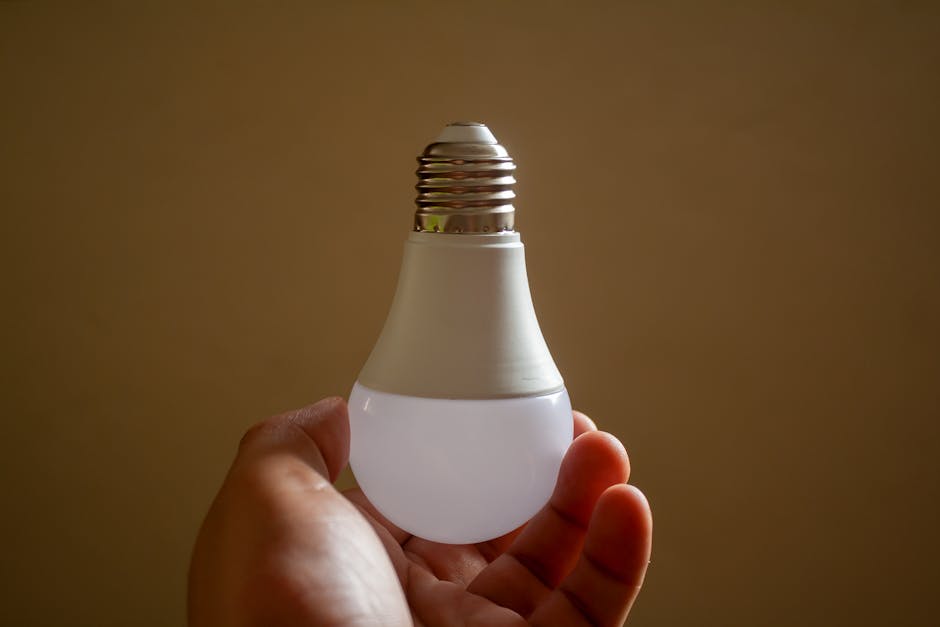
While heating is the primary winter concern, smart lighting reduces overall energy consumption. LED bulbs with smart controls use 75-80% less energy than incandescent alternatives. Motion sensors in less-used rooms prevent lights from running unnecessarily, while dimming capabilities reduce energy draw during daylight hours. By reducing lighting load, you lower overall home energy consumption, which indirectly reduces heating system strain. Coordinating lighting with window treatment automation—closing blinds when lights are on—creates a cohesive energy management strategy.
What Role Does Smart Home Automation Play in Winter Energy Management?
Smart home automation creates interconnected systems where devices communicate and coordinate actions automatically. This integration amplifies energy savings beyond what individual devices achieve independently. For example, your smart home can simultaneously lower the thermostat, close window treatments, and reduce lighting when the house is empty, then reverse all actions when occupancy is detected.
Whole-Home Energy Monitoring
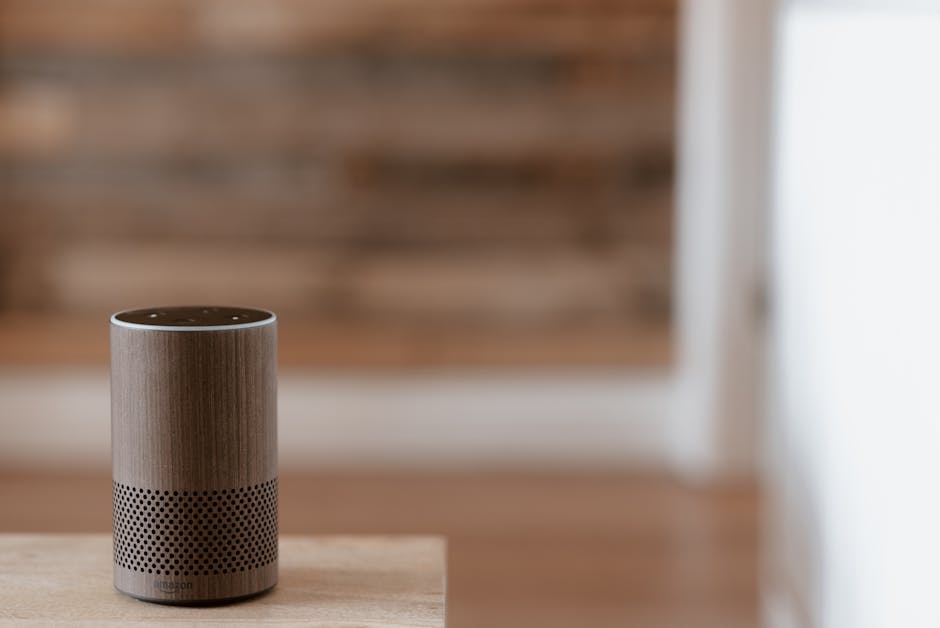
Smart energy monitors provide real-time visibility into consumption patterns, identifying which devices consume the most energy. This data-driven approach helps prioritize optimization efforts. Many systems break down usage by room or appliance, revealing inefficiencies you might otherwise miss. For winter specifically, monitoring shows how much energy your heating system consumes compared to baseline usage, helping you identify when heating is working inefficiently due to poor insulation or air leaks. This information guides both immediate adjustments and long-term home improvements.
Smart Plug Integration
Smart plugs control secondary devices like space heaters, electric blankets, and water heaters. By automating these devices, you ensure they operate only when needed. For example, a smart plug might activate a space heater only when room temperature drops below a threshold, then automatically shut it off when the target temperature is reached. This prevents the common mistake of leaving supplemental heaters running continuously, which wastes significant energy. Smart plugs also detect phantom loads from devices in standby mode, allowing you to eliminate this energy waste entirely.
How Do You Implement Smart Home Energy Monitoring for Winter Optimization?
Effective winter energy management requires understanding your current consumption patterns, identifying inefficiencies, and systematically implementing improvements. This process involves setup, monitoring, analysis, and adjustment phases that span the entire winter season.
Step 1: Establish Your Baseline
Before implementing smart home solutions, establish your current energy consumption baseline. Review your utility bills from the previous winter to understand typical monthly usage and peak consumption periods. Install a smart energy monitor to capture real-time data showing exactly when and how much energy your home uses. This baseline becomes your benchmark for measuring improvement. Many homeowners discover surprising patterns—such as heating running excessively at night or certain rooms consuming disproportionate energy—that guide optimization priorities.
Step 2: Install and Configure Smart Thermostats
Begin with a smart thermostat installation, as this device provides the highest return on investment for winter savings. Follow manufacturer instructions carefully to ensure proper installation and calibration. Configure multiple temperature schedules reflecting your typical weekly routine: lower temperatures during work hours and sleep, higher during evening hours when home. Enable geofencing if your phone supports it, and set up weather-responsive features. Test the system for one week, making adjustments to ensure comfort while maintaining efficiency. Document your settings to establish a baseline for future comparison.
Step 3: Add Smart Window Treatments and Lighting
Once your thermostat operates optimally, add smart blinds or shades to southern and western-facing windows. Schedule these to open at sunrise and close at sunset, with additional adjustments for cloudy days if your system supports weather integration. Install smart lighting in high-use areas, configuring motion sensors and dimming schedules. These additions work synergistically with your thermostat, reducing heating demand through passive solar gain and lower lighting-related heat generation.
Step 4: Monitor and Adjust Throughout Winter
Review energy reports weekly, comparing current consumption to your baseline. Look for unexpected spikes indicating inefficiencies or malfunctioning equipment. Many smart home systems provide detailed reports showing consumption by device or room. Use this data to identify which areas contribute most to energy usage. Make incremental adjustments to schedules and settings based on observed patterns. For example, if morning heating consumption is high, you might lower the nighttime temperature further or adjust the morning warm-up schedule. This iterative approach typically yields 15-20% additional savings beyond initial smart thermostat installation.
Step 5: Integrate Additional Smart Devices
As you gain experience with basic smart home automation, consider adding smart water heaters, smart ventilation controls, or supplemental smart heating devices. Each addition should align with your overall energy management strategy. Before purchasing new devices, analyze your monitoring data to identify which areas would benefit most from additional automation. This targeted approach ensures investments directly address your home’s specific inefficiencies rather than adding unnecessary complexity.
For comprehensive guidance on optimizing your smart home system’s energy reports, review our Ecobee Home Energy Reports Guide for Users in 2026, which provides detailed instructions for interpreting consumption data and identifying optimization opportunities.
What Common Mistakes Should You Avoid When Using Smart Home Technology for Winter Savings?
Even with smart home technology installed, many homeowners fail to achieve maximum savings due to common configuration and usage mistakes. Understanding these pitfalls helps you optimize your system from the start.
Setting Temperatures Too High
The most common mistake is maintaining comfort temperatures higher than necessary. Many people set their thermostats to 72-75°F (22-24°C) during winter, which significantly increases heating costs. Comfortable living occurs at 68-70°F (20-21°C) for most people, especially when wearing appropriate clothing. Every degree above 70°F increases energy consumption by approximately 3%. Smart thermostats enable gradual temperature reduction that most people adapt to within days, but only if you actually lower the settings. Resist the urge to override your schedule when slightly cool; instead, add a layer of clothing.
Neglecting Geofencing Configuration
Many homeowners install smart thermostats but never enable geofencing, missing significant savings opportunities. Geofencing prevents heating empty homes, but requires proper setup with all household members’ phones added to the system. Without proper configuration, the thermostat won’t know when the house is truly empty, limiting automation benefits. Additionally, ensure your geofencing radius is appropriate—too large and it triggers heating when you’re still far from home; too small and you arrive to a cold house.
Ignoring Air Leaks and Insulation Issues
Smart home technology optimizes heating efficiency, but cannot overcome poor insulation or significant air leaks. If your home loses heat rapidly through gaps around windows, doors, or attic vents, smart devices must work harder to maintain temperature. Before expecting maximum savings from smart technology, address obvious air leaks with weatherstripping and caulking. Consider adding insulation to attics and basements where cost-effective. Smart thermostats work best in homes with reasonable thermal integrity; otherwise, you’re fighting a losing battle against heat loss.
Failing to Maintain Consistent Schedules
Smart thermostats require consistent schedules to learn your patterns and optimize automatically. If you constantly override schedules or change settings manually, the system cannot learn effectively and misses optimization opportunities. Resist the temptation to manually adjust temperature when slightly uncomfortable; instead, maintain your schedule for at least 2-3 weeks to allow the system to adapt and learn your preferences.
How Does Smart Home Technology Compare to Traditional Energy-Saving Methods?
While smart home technology provides significant advantages, traditional energy-saving methods remain valuable and often work best in combination with smart systems. Understanding the comparison helps you prioritize investments effectively.
Smart Technology Advantages
Smart systems offer automation, real-time monitoring, and learning capabilities that traditional methods cannot match. A programmable thermostat requires manual adjustment each week; a smart thermostat adjusts automatically based on your patterns. Smart monitoring provides detailed consumption data; traditional utility bills offer only monthly totals. Smart geofencing prevents heating empty homes automatically; traditional methods require remembering to manually lower temperatures before leaving. These advantages translate to 10-23% energy savings with minimal lifestyle disruption.
Traditional Methods Still Matter
However, traditional methods like weatherstripping, caulking air leaks, adding insulation, and upgrading windows provide foundational efficiency improvements that smart technology cannot replace. A home with poor insulation will never achieve maximum efficiency regardless of smart thermostat sophistication. Traditional methods address the home’s thermal envelope; smart technology optimizes how you use that envelope. The most effective approach combines both: improve your home’s insulation and air sealing first, then layer smart technology on top for maximum savings.
What Are the Financial and Environmental Benefits of Smart Home Winter Energy Savings?
Beyond immediate utility bill reductions, smart home energy optimization provides broader financial and environmental benefits worth considering in your decision-making process.
Direct Cost Savings
A typical household spends $800-1,500 on winter heating costs. With smart home optimization, 15-20% savings translates to $120-300 annually. While this might seem modest, consider that smart thermostats cost $200-400, paying for themselves in 1-2 years. Additional smart devices (blinds, monitors, plugs) extend payback periods but compound savings over time. After initial payback, all savings flow directly to your bottom line for the remaining 10-15 year lifespan of the equipment.
Environmental Impact
Reduced energy consumption directly decreases your home’s carbon footprint. A 15% heating reduction eliminates approximately 1-2 tons of CO2 emissions annually, equivalent to planting 20-40 trees. Over a 10-year period, smart home optimization prevents 10-20 tons of CO2 from entering the atmosphere. For environmentally conscious homeowners, this impact provides satisfaction beyond financial savings. Additionally, reduced energy demand decreases pressure on electrical grids during peak winter periods, improving grid stability and reducing the need for additional power generation infrastructure.
Home Value and Comfort
Homes with smart home technology increasingly appeal to buyers, potentially increasing resale value. While difficult to quantify precisely, surveys indicate smart home features add 3-5% to home value. Beyond financial metrics, smart home systems improve comfort by maintaining consistent temperatures, eliminating drafts through automated window treatments, and adapting to your lifestyle automatically. These quality-of-life improvements often matter more to homeowners than pure financial calculations.
Frequently Asked Questions
How much can I save with a smart thermostat in winter?
Smart thermostats typically save 10-23% on heating costs, according to the U.S. Department of Energy. For a household spending $1,000 on winter heating, this equals $100-230 annually. Savings vary based on your current thermostat type, home insulation, climate, and how aggressively you adjust temperatures. Homes with poor insulation see smaller percentage savings because they lose heat rapidly regardless of thermostat sophistication.
Should I lower my thermostat at night for winter savings?
Yes, lowering your thermostat 7-10°F for 8 hours nightly saves approximately 10-15% on heating costs without significantly impacting comfort. Most people sleep comfortably in cooler temperatures and appreciate the energy savings. Smart thermostats automate this adjustment, eliminating the need to remember manual changes. Ensure your home maintains adequate temperature for pipes to prevent freezing in very cold climates.
What smart home devices provide the best winter energy savings?
Smart thermostats provide the highest return on investment and savings potential. Smart window treatments rank second, preventing 25-30% of winter heat loss through windows. Smart lighting and energy monitors rank third and fourth respectively. Prioritize based on your home’s specific inefficiencies identified through monitoring and professional energy audits.
Can smart home technology work without internet connectivity?
Most smart home devices require internet connectivity for full functionality, though some basic features may work locally. Smart thermostats without internet cannot access weather data or remote control capabilities, limiting optimization potential. Ensure reliable home internet before investing in comprehensive smart home systems. Consider backup internet options if connectivity is unreliable in your area.
How long does it take to see savings from smart home winter optimization?
You should notice reduced energy consumption within the first month of smart thermostat operation as the system begins optimizing automatically. Significant savings typically appear within 2-3 months as the system learns your patterns and you adjust to lower comfort temperatures. Maximum savings generally require 3-6 months of optimization and fine-tuning as you add additional smart devices and refine schedules.
Is professional installation necessary for smart thermostats?
Most smart thermostats can be installed by homeowners with basic electrical knowledge, though professional installation ensures proper calibration and warranty compliance. If your existing thermostat wiring is complex or you’re uncomfortable with electrical work, professional installation ($100-200) is worthwhile. Always turn off power before beginning installation and follow manufacturer instructions precisely.
Is Smart Home Winter Energy Optimization Worth the Investment?
Smart home energy saving for winter 2026 represents a worthwhile investment for most homeowners, combining meaningful financial savings with improved comfort and environmental benefits. The combination of 10-23% heating cost reductions, rapid payback periods (1-3 years), and extended equipment lifespan (10-15 years) creates compelling financial justification. Beyond numbers, the convenience of automated temperature management, real-time energy monitoring, and seamless integration with other smart home devices enhances daily living quality.
The decision becomes even more favorable when you consider that smart home technology addresses the largest residential energy expense—heating—while providing data-driven insights into consumption patterns. Rather than guessing about energy efficiency, smart monitoring shows exactly where your home wastes energy and which optimization strategies provide the greatest benefit.
However, success requires realistic expectations and proper implementation. Smart technology optimizes heating efficiency but cannot overcome poor insulation or significant air leaks. Begin by addressing foundational issues like air sealing and insulation upgrades, then layer smart technology on top. Start with a smart thermostat, monitor results carefully, and add additional devices based on data showing where your home wastes energy.
For those new to smart home technology, our Smart Home Basics for Beginners guide provides comprehensive information about getting started with connected devices and home automation systems.
The combination of immediate utility bill reductions, long-term financial returns, improved home comfort, and reduced environmental impact makes smart home winter energy optimization a practical investment aligned with 2026 sustainability goals and economic priorities. Begin implementation before winter arrives to maximize savings during peak heating months.



Write Your Review
No reviews yet. Be the first to share your experience!